The Vessel of our Tears
‘Vayomer Elohim l’noach, ketz kol basar ba lifnei ki mal’ah ha’aretz chamas mifneihem v’hineni mashchitam et ha’aretz’ – ‘God said to Noach: I am ending all flesh for the earth is filled with ‘Chamas’, lawlessness, because of them…’ Gen. 6:13
Friends, I say this with a heavy heart: this will be the most cited verse from Parashat Noach across synagogues throughout the world.
It is striking, suprising and chilling to see that word in Hebrew: ‘chamas’, now two weeks into our global shivah for the victims of the Hamas pogrom committed on Simchat Torah. Victims of all backgrounds: Jewish Israeli, Palestinian Israeli, Thai, American and more. Young and old, from the hoary-headed to the suckling babe.
The Hebrew word chamas (coincidentally unrelated to the Arabic acronym of Hamas) has many dark shades of meaning in Tenakh: violence, chaos, disorder, lawlessness, injustice, wantonness. Chamas signals the breakdown of the social order, the lowering of the bar of our collective morality, the erasure of our common humanity.
All of that speaks so deeply to us in this moment.
Here we find ourselves; adrift on churning seas. It is hard to find the words. Impossible to find the words. We grasp onto thin and fragile tethers of hope: the release of two American female hostages, while we continue to pray for the others. Yet, we also feel despair move over us, thunderous and unrelenting, as we see the loss of human life tick up, day after relentless day. And we know it will not end soon. We know that there will be an aftermath. We bear witness to it; helpless and far away, and there is little we can do but pray, hold space and go about whatever shreds of normalcy remains with us. To think that only two weeks prior, we sang with rejoicing; we dipped our apples in honey, felt the grace of Yom Kippur and the happiness of Sukkot. Now, the words of Jewish joy have turned to ashes in my mouth.
In fact, it is impossible to find the words. Any words. And I am reminded of the Torah’s counsel: ‘Vayidom Aharon’, the Torah tells us, when Aaron learns of the sudden and cruel death of his two elder sons. ‘And Aaron was silent.’
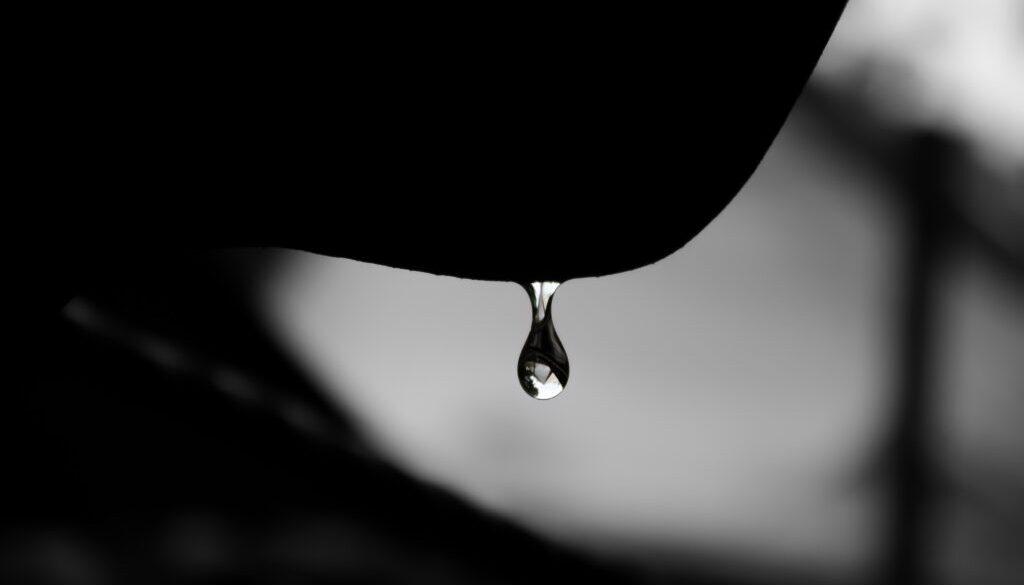
Still, the paradox exists: even if we feel we may not have words, we cannot be silent. We must whisper our truths in the sacred chambers of our own hearts, speak our moral courage and hold each other with words of kindness, grace, wisdom and peace. That, dear friends, feels near impossible right now. All I can strive to do is to teach you what Torah I have; to turn to our great and holy tradition as the crucible for the force of our emotions, the depth of our grief. Torah is the vessel of our tears for our people.
Just as the ark was the vessel of Noach’s tears.
Parashat Noach is Parashah where time feels disconnected or dismantled. It is set in an ancient mythic past and yet it rings with the predictive truth of a dystopian future. Erroneously cast into cutesy children’s stories about a boat and animals two-by-two, its grim, existential power is often elusive. Yet, if we lean into the text and come to know its protagonists, we can share in their trauma and maybe understand a little of our own. The portion invites us to imagine ourselves as Noach: a thoughtful and righteous man, by all accounts (even if only relative to the depravity of the ‘dor mabul’, the generation of the flood), who stood by as he saw his entire world destroyed. All he could do was build an ark for himself and his immediate family. The narrative pleads before our imagination: what was it like to know that the world entire would drown? All his loved ones and friends, and perhaps his enemies too—swept away for ever. What moral injury did he experience as the rains came down and human beings and animals alike desperately clambered to higher ground, to no avail? And what was it like to sit in that ark, with one, sealed up window, storm-tossed, immersed in darkness and crippling isolation.
Each of us is a Noach now, as we witness our violent world come apart at the seams. Is there an ark for us? An ark that is both a vessel for our tears and a crucible of our hope? Is there a way for us to find a modicum of safety and sanity amidst all we see, hear and witness?
Perhaps our ark is Shabbat. Our ark is song. Our ark is prayer. Our ark is community. Our ark is moral agency. Our ark is yearning for peace. Our ark is our common humanity.
We are each other’s ark and we will carry each other across turbulent waters.
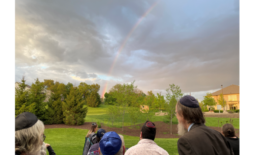
Of course the Noach story ends. God re-establishes the covenant of Adam with Noach, re-affirming the abiding and uncompromising truth that each human being is made in the Image of God. A dove returns with an olive branch; a rainbow is erected across a clear sky and Noach and his family find their footing. Spinning wildly between gratitude and trauma, they bring their offerings and imbibe their wine. The pain is great; their souls are wounded but—humanity continues on. Humanity continues on.
We are still in our ark; in suspended animation. We do not yet know what will come or how we will respond to it. Each of us will experience this dark night of the soul differently. Each of us will cry unique tears, ask ourselves unique questions, cast our unique thoughts into a starry night. But we are here together. That is all we have got, and from this we derive our resilience.
Holding you all in my heart; let us hold each other and the world entire.
Shabbat shalom.