
Neilah Sermonette
At the beginning of the pandemic, I was planting my spring garden, tending to my lettuce and kale, beans and beets. A friend came for an outdoors, masked, socially-distanced visit as we were surrounded by the verdant, vibrant green. For a moment, the cares of the world slid of my shoulders and she reflected on how people in prior times must have felt in moments of profound crisis. ‘Did they’, she wondered out loud, ‘consider the gardens they planted, their last garden?’
There was so much poignancy and loss in the question. The last garden. My mind was cast back to our ancestors a few generations ago. Did people plant their last garden during the Second World War, or perhaps the First World War? Or the great pandemic of 1918? Or the American Civil War? Or further back still; every garden throughout human history that has been a silent witness to growth and decay, to birth and death, to the rise and fall of civilizations? We can cast back our mind’s eye right up to that First Garden we tended at the dawn of our species; be it that of mitochondrial Eve in the African Rift Valley or archetypical and metaphorically as Chava in Gan Eden, the Garden of Eden. Every generation who has encountered crisis must have contemplated their gardens being the last.
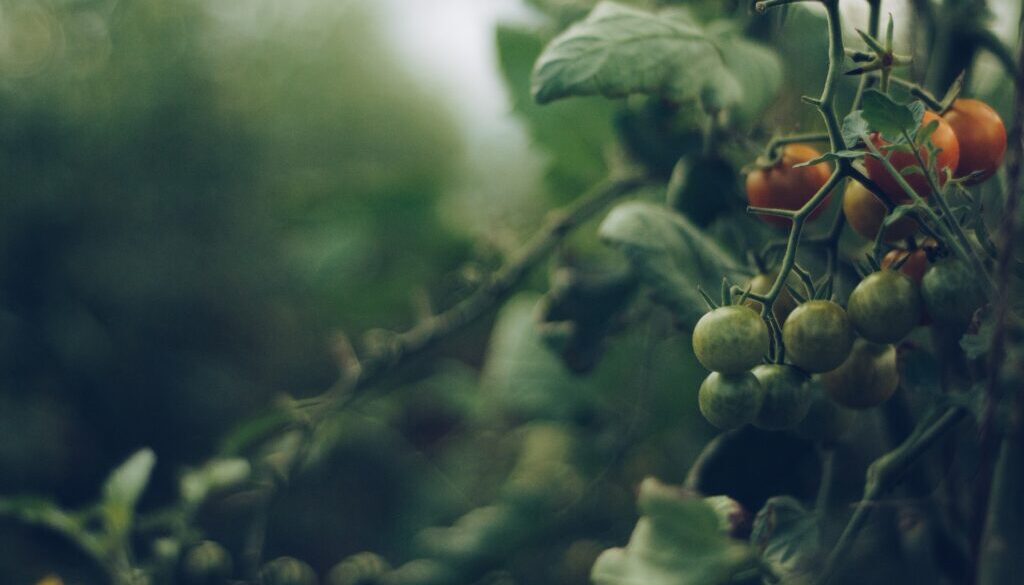
Fast forward six months later, and my garden is now at the end of her life cycle. My tomato plants have withered, the vines of my squashes and cucumbers have rotted away. A palate of muted colors brushed by the fading light of Fall. I have gathered in the last of my harvests.
Neilah is all about the last garden. The last garden of the soul. Here too, the light is fading. The gates of the Season of Repentance are starting to shut. We have seeded our gardens with prayer, with atonement, with reflection, gratitude and humility. Perhaps we have watered them with tears. It is time to gather in our harvest.
Our tradition is rife with horticultural metaphors. Maybe we have forgotten, but we are a people close to the land; our covenant is as much a covenant of Earth as it is of Heaven. And our tradition links the last garden to the first; so that we may turn the world to Eden once again, ‘to work and keep it’. A mere four days after the final blast of the shofar, we usher in Sukkot – our harvest festival, where we do not only celebrate the bounty of the Earth, but the abundance of our Redemption. This last garden isn’t wistful; it is hopeful. It proclaims liberty for all; from our limitations and our grievances, from our injustices and vagaries; from power differentials and spiritual blindness. It proclaims universal redemption, for the flowering of human souls; no-one more worthy of Divine love than others, all humanity brought together in an ‘agudat achat’, a united siblinghood, where ‘each shall live under their fig tree and vine.’ This is the promise of the tekiah g’dolah, the final call of the Shofar, that cries out for our at-one-ment with God; our alignment with our truest selves.
Every gardener knows the contradictions of their garden. How death becomes life; how failure becomes growth. We have prayed; brothers and sisters. We have reflected and atoned. We have turned our souls inside out; stripped ourselves bare, made ourselves vulnerable; powered through exhaustion and exhilaration, boredom and hunger. Yet, here we are. We have sown in tears but will reap in joy. For as the Prophet Jeremiah stated; the Prophet who allowed sadness and hope to meet in him, ‘for I give you a future and a hope.’
Against the darkening sky and the encroaching winter, we may feel trepidation about what these coming months will bring. We know hardships will come our way; and we are called to till the fertile soil of our hearts in preparation thereof. But we Jews remain an ever hopeful people; ever covenanted to our God, ever bound to each other in the bonds of friendship, ever convicted of our ability to repair our world.
We will delight in the harvest of our souls and resolutely plant our last garden. We will rejoice and harvest everlasting love—again and again and again.
G’mar chatimah tovah.